
 Do you want to become financially independent? The National Financial Awareness Day is on August 14 each year and it is dedicated to helping anyone prepare for financial stability. Everyone thinks about money, so this is a good time to review where you are financially this year and where you want to head. It can seem overwhelming to think about the financial decisions you need to make now in order to make a difference later in your life. However, National Financial Awareness Day can empower you to prepare for the future.
Making choices about managing your money can be based upon spending decisions on a daily basis or through long-term investments over time. Learn to make good financial decisions by increasing your knowledge to help you decide how to spend and save, comparing costs especially for big purchases and planning for long-term savings and retirement. Furthermore, this knowledge will help you distinguish between your wants and needs. With time and experience, your financial decisions might become easier to make.
Financial Goals
To begin, set some personal goals. Identifying financial goals and developing action plans to support those goals is an important first step. Your goals should align with your values and priorities. So, identify the things that really matter to you and take action steps to work towards those. Next, track your progress by taking inventory of your spending habits. This will aid in knowing if you are heading in the right direction or not.
Think about how long it will realistically take you to reach a goal. Setting up action plans include identifying steps on how long it will take to reach your goal including the date the goal should be completed. Also, identify any resources you might need to help you along the way. The steps should include paying bills on time, as well as understanding what might happen if you fall behind on your financial obligations.
Monthly Bill Calendar
 Consider using a monthly bill calendar as a money management tool. It will help you visualize the total picture of your monthly bills. This will remind you when and what bills come up during the month and helps show the visual picture of your monthly cash flow. A bill calendar shows how the timing of your income lines up with the timing that your bills are due. Planning how to pay your bills on a timely basis helps you avoid late fees. Since late fees add up quickly, paying on time can help you with your financial awareness.
Track Progress
Track your progress to help build a picture of where your money is going. This helps you monitor your spending to think about how to plan your expenses to avoid gaps in your ability to pay. Analyzing your spending in different categories (food, housing, utilities, savings, loans, etc) can identify areas that you might cut back on. Each month, challenge yourself to see how you can improve on managing your money.
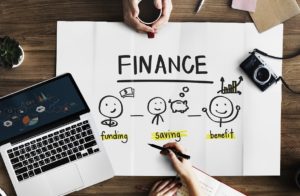 Building financial knowledge helps us meet our personal financial goals. Strong decision-making skills help people make informed choices and move towards being financially independent.

Great information. All should strive to achieve this sooner rather than later.