
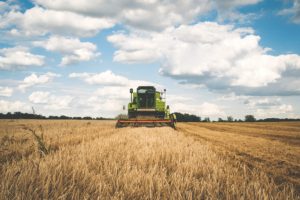
 Agriculture is the backbone of Colorado’s economy, contributing $47 billion annually and employing more than 195,000 people across nearly 39,000 farms and ranches. Yet those who produce our food face unique stressors that take a toll on both physical and behavioral health. Farmers, ranchers, and their families experience higher rates of injury and suicide than the general population, while rural communities encounter barriers of accessibility, affordability, and stigma when seeking support.
The Colorado AgrAbility Project (CAP) exists to bridge these gaps for farmers and ranchers with disabilities.
Promoting Independence
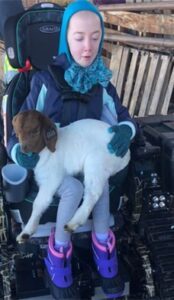 CAP is a partnership between Colorado State University and Goodwill Industries of Colorado, funded in part through the United States Department of Agriculture’s (USDA) National Institute of Food and Agriculture. Its mission since 1989 has been to help agricultural producers, workers, and family members with physical challenges, limitations, or disabilities remain independent and engaged in their work.
Rural Rehabilitation Specialists provide no-cost, on-site assessments to observe daily tasks and recommend adaptive equipment or assistive technology to improve safety and independence. CAP also offers consultations on home, shop, farm, and ranch accessibility, ensuring producers can continue their livelihoods with dignity.
You can learn more about the program and success stories in these videos, ‘Our Stories – CSU AgrAbility’.
Expanding to Behavioral Health
Recognizing the rising stress and suicide risk in agriculture, CAP expanded in 2021 to include behavioral health support. With funding from the Western Region Agricultural Stress Assistance Program and Colorado’s Behavioral Health Recovery Act, CAP built a team of State Specialists, Regional Behavioral Health Specialists, and CSU faculty dedicated to rural health. Together, they assess community needs and design culturally responsive trainings, resources, and programs tailored to agricultural life.
Engaged Scholarship and Student Involvement
 CAP also serves as a hub for education and research, preparing the next generation of professionals to support rural communities. To date, the project has:
- Trained more than 300 students in rural and agricultural health best practices.
- Mentored 12 undergraduate and graduate students through internships and graduate assistantships.
- Engaged 300 rural-serving behavioral health providers in identifying training gaps.
- Secured funding to evaluate the impact of CAP initiatives.
This dual focus on community service and engaged scholarship strengthens both rural well-being and the professional workforce.
Behavioral Health Support and Stigma Reduction
A key piece of CAP’s behavioral health work is stigma reduction. Through agriculture-specific workshops, outreach, and skill-building trainings, the team has:
- Reached 5,000+ rural community members with preventative behavioral health education.
- Delivered 200+ hours of one-on-one consultations for stress management and resource navigation.
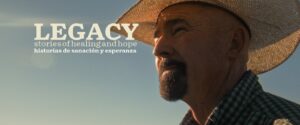
- Partnered with the Colorado Department of Agriculture to host more than 20 community screenings of Legacy, a documentary exploring the beauty and hardships of agricultural life.
CAP also co-administers the Colorado Agriculture Addiction and Mental Health Program (CAAMHP) with the Colorado Farm Bureau. This program has provided over 1,000 hours of free, culturally responsive therapy to Coloradoans involved in agriculture.
CAP co-developed the LandLogic Model, designed to help behavioral health providers better serve agricultural clients. More than 300 providers have been trained, and with support from the Colorado Behavioral Health Administration, this program is now offered at no cost to Colorado licensed providers.
Looking Ahead
By combining practical support, behavioral health resources, education, and community engagement, CAP is improving the quality of life for farmers, ranchers, workers, and families across the state. Its holistic approach honors the resilience of agricultural communities while addressing the unique challenges they face.