
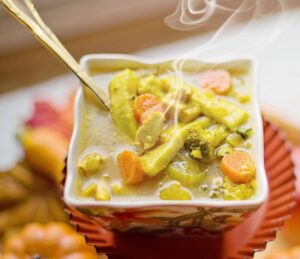
 Any day now, we can expect winter weather to arrive. As the snow blows in, with it, we also have sudden cravings for comfort foods.
Be warned, by continuing to read, you may find your mouth watering and certain expectations to arise. Proceed at your own risk.
Common Comfort Foods
- Rich, gooey macaroni and cheese

- A steaming bowl of chili (red or green?), corn bread with butter and honey, or a fluffy, warm flour tortilla
- Meatloaf with creamy, buttery mashed potatoes
- Moist buttermilk biscuits topped with savory sausage gravy
- Beverages
- Warm cinnamon roll
- Ice cream
 These are the things that make cold winters tolerable. The thing is, we don’t call them comfort foods for nothing. For many people, food, whether those previously listed or one of your own, quite literally enhance our mood and bring emotional comfort. No matter what the food is, they tend to have a few things in common. They also have an connection with a desired or expected outcome from eating them.
Connections include:
- illness (e.g. chicken noodle soup)
- negative emotions
- positive emotions
- celebrations and rewards (sweets)
- remembrance (homemade family recipes)
While comfort foods are often higher in fat and sugar, eating these foods are neither good nor bad. What’s worth remembering is what you really want to get out of the experience.
Expectations of Comfort Food
During illness, there’s a desire to feel better. Negative emotions, such as loneliness or stress, you want to feel connected or calm. With positive emotions, you want to amplify or extend the emotional high. To celebrate or reward, you want something special. And, in remembrance, similar to loneliness, you want connection and ease of heartache.
Enjoy your comfort foods but know that a small portion is as good as a large. For maximum effect, get to the root of your needs. Take time to rest during illness, take time to do the things you love, connect with people or animals, discover non-food rewards to celebrate success or acknowledge hard days, and allow yourself the space to grieve.
