

Ah, the smells and tastes of fresh seasonal produce in July. Fresh fruits of summer are one of the season’s greatest treats. Berries, cherries, melons, peaches, and plums are plentiful in summer because summer is their season! Summer vegetables include beans, greens, cucumbers, tomatoes, eggplants, and peppers.
In Season
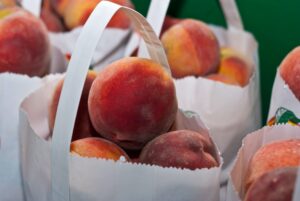
Generally, “in-season” means produce is harvested at the peak of maturity in it’s local growing season. Strawberries and tomatoes, for example, may be available in grocery stores all year round. However, that is because they are grown and harvested in other places around the world and shipped to their final destinations. In many areas around the United States strawberries and tomatoes are truly only “in season” in spring and summer.
Benefits of Seasonal Produce
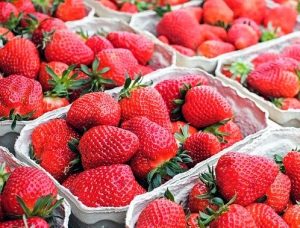
- Produce is more flavorful
- Fruits and vegetables can be more nutritious
- Local produce bought helps support local farmers and businesses
- Seasonal produce can be less expensive than the same produce purchased out of season
I like to recommend taste testing a variety of different seasonal fruits and vegetables so you can explore the flavors and find your favorites. Preparing fruits and vegetables in different ways also offers different experiences.
Taste testing new and different foods can help “expand your palate.” In the food world, this means to step outside your comfort zone and try new foods. When we try new foods, it helps to expand our tastes and likes for different foods. This is a good thing, because we need a variety of foods and nutrients to stay healthy.
Taste Testing Seasonal Produce With Children
Taste testing different fruits is a great way to get children to start expanding their palates, because fruits are naturally sweet and juicy. Then, you can taste-test different vegetables, too!
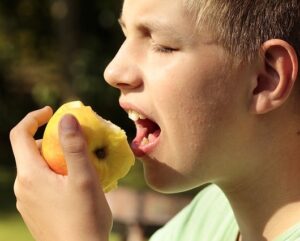
A fun way to approach this activity is to have a taste testing.
- Prompt your children to use their senses when tasting each food.
- Have them taste different varieties of a fruit or vegetable.
- This is a great activity for kids, because it allows them to use all their senses and be mindful when tasting new or familiar foods.
- Choose a variety of different seasonal fruits or vegetables.
- Have your children use their senses to SMELL, HEAR, FEEL, and TASTE each variety or type. For each variety or type of produce that they taste, use these prompts:
- Use words to describe what you smell (strong, earthy, like summer, etc.).
- Then have them take a bite and ask what they hear (crunch, squish, etc.).
- Ask what they feel in their mouth (slimy, soft, juicy, etc.).
- Have them describe what they taste (sweet, sour, bitter, etc.).
- After you have tasted all the produce, ask which one was their favorite.
- Remind children of these things when trying new or familiar foods.
- Be polite about how they think a food tastes to them, so they don’t ruin someone else’s experience. “Don’t yuck my yum.”
- Suggest they avoid negative words if they don’t like or want something. Instead say “no thank you” or “I don’t prefer that.”
- If your child doesn’t like a food, have them politely remove the food from their mouth with a napkin.
Some produce that we did not like as a child, we love as an adult, our tastes change over time!