
 It can be difficult to navigate portion sizes as our children grow. Children need a variety of foods from all food groups; fruits, vegetables, proteins, grains, and dairy to ensure they meet their nutritional needs.
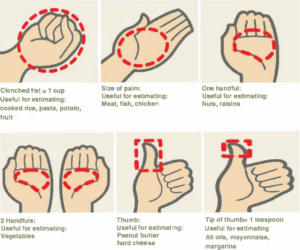
Portion sizes for children are not the same as portion sizes for adults and even differ from child to child. One easy way to size up portions is to use your hand as a guide. Kids have smaller hands than adults, so it serves as a reminder that kids need smaller portions.
- Grains (pasta, rice, and cereal) and starchy vegetables (potatoes, peas, and corn)- A closed fist is a portion
- Protein – aim for the size of your child’s palm for meats and seafood and the size of their thumb for nut butter
- Fruits and vegetables – offer 2 of your child’s clenched fists worth at each meal
- Limit the amount of added fats (like butter, mayo, or salad dressing) to the size of the top of the thumb.
- Dairy – Infants and children under 12 months have special dietary and supplemental needs. Breast milk or infant formula is the main source of nutrition for infants. After that, use the following recommendations:
- 1 to 2-year-olds: 2 servings of full-fat dairy.
- 2 to 8-year-olds: 2-2.5 servings of dairy.
- 9 to 18-year-olds: 3 servings of dairy.
*1 serving of dairy = 8 fl oz of low-fat milk or yogurt or about two ounces of cheese
Teaching portion sizes
 Invite your children to help serve plates in the kitchen so they learn portion sizes for each food group. For example, show them that a serving of rice equals about one ice cream scoop and let them use the scoop to serve each family member. Modeling good portion control as adults will positively impact our children.
Other tips
- Eating at the kitchen or dining table will help with portion control, instead of eating while watching television. This helps us to stay mindful and aware of hunger and fullness cues.
- Portion snacks or meals onto a plate or bowl instead of eating directly from the bag.
- To make portion control fun, pack meals or snacks in a compartmental container. Fill each compartment with a different food category to create an engaging and healthy way to eat.
- When serving meals, fill half the plate with vegetables and fruits, to give your children plenty of nutrient-dense options.
Cereal Comparison Activity
What you need:
- Cereal
- 2 Bowls
- 1/2 Cup measuring cup
What to do:
- Invite your child to join you in an experiment
- With your child, pour a bowl of cereal (the size you would typically eat)
- Then, ask your child to use the measuring cup to pour a serving size of cereal into the second bowl
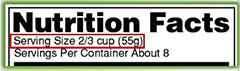
- The adult serving size will be listed in the Nutrition Facts Label on the side of the box
- For preschool-aged children, a recommended serving size is 1/2 cup
- Ask your child how he or she thinks the first bowl of cereal compares with the bowl containing the recommended serving size. They might be drastically different!
Serving sizes can be deceiving and are often different than what we typically eat. By using this cereal comparison activity with your family, you can begin conversation around the portions that are being consumed daily in various situations.


Thanks for this issue, as this information is important and Extension needs to continue to inform families/parents with accurate and reliable information, especially now more than ever.