
 Older adults are at greater risk for dehydration than younger adults. There are a lot of reasons for this, including decreased lean body mass, decreased thirst sensation, difficulty getting around, memory problems, use of many medications, and certain medical conditions. Dehydration is a leading cause of hospitalization in older adults, and can also lead to death if not treated properly.
What are the warning signs?
For most adults, thirst is a primary sign of dehydration. However, in older adults, this may not be reliable. Here are some important warning signs of dehydration:
- Dry mouth, tongue, and nose

- Dry skin or poor elasticity – doesn’t “bounce back” when stretched
- Constipation
- Headache
- Less frequent urination, or dark colored urine
- Dizziness or confusion
- Weakness or sleepiness
- Urinary tract infections
How can dehydration be avoided?
- Consume adequate fluid, ideally at least 6-8 glasses per day. If you have heart failure, kidney disease or a history of dehydration, consult with your physician or dietitian to determine your exact daily fluid needs.
- Divide your fluids into small doses – sometimes this can be easier to manage than large amounts at once.
- Aim for variety! Different flavors and textures can help with intake.
- Make sure to plan for extra fluids in hot weather or during periods of exercise.
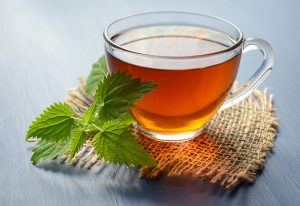 Almost all fluids count
You may have heard that caffeinated beverages are dehydrating. However, recent studies show that a moderate intake of caffeine (especially for those who consume it regularly) is not as dehydrating as once thought. So don’t give up your cup of coffee for fluid’s sake!
Here are some examples of good sources of fluid:
Beverages
- Coffee or tea

- Flavored water
- Hot cocoa
- Juice
- Milk
- Smoothies
- Sparkling water
- Sports drinks
- Water
Foods
- Fresh, frozen or canned fruit

- Fresh, frozen, or canned vegetables
- Gelatin desserts
- Ice cream
- Popsicles
- Pudding
- Sherbet
- Soup
- Yogurt
Make adequate hydration an enjoyable experience by stocking up on foods and drinks you enjoy. Talk to your health professional if you have any questions or concerns about your fluid intake.


Great article Jessica! I personally have had to increase my consumption of water and you really have to make a point of getting in the habit of drinking more liquids. The right kind of liquid of course!!! I do like that you added that we get liquids from various foods too.